Signs of Mold in Your Memphis Home: What to Look For
Memphis’s humid subtropical climate makes mold a common problem in homes throughout the metro area. But mold does not always announce itself with visible patches on the wall — often, the earliest signs are subtle. Knowing what to look for can help you catch mold early, before it causes significant property damage or health problems.
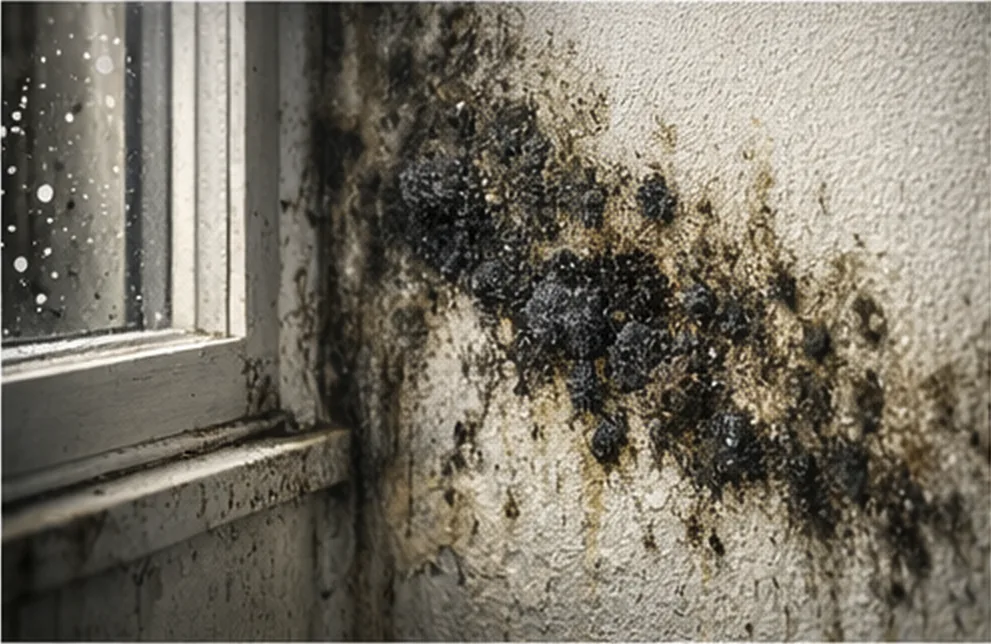
Here are the warning signs every Memphis homeowner should watch for, organized from the most obvious to the most subtle.
1. Visible Mold Growth
The most obvious sign is seeing mold. It can appear as black, green, white, gray, or brown patches on walls, ceilings, floors, or other surfaces. In Memphis bathrooms, you may see it on grout, caulking, and around fixtures. In basements and crawl spaces, look on floor joists, foundation walls, and stored items.
Do not assume small patches are harmless — visible mold on the surface often indicates much larger colonies behind walls or under materials. And in Memphis’s humidity, surface mold can spread quickly.
2. Musty or Earthy Odors
A persistent musty smell — especially in basements, crawl spaces, bathrooms, or closets — is one of the most reliable indicators of hidden mold. Mold produces microbial volatile organic compounds (MVOCs) that create this distinctive earthy, damp odor. In Memphis homes, you may notice the smell is stronger during humid summer months or after rain.
3. Water Stains and Discoloration
Yellow or brown water stains on ceilings, walls, or around windows indicate past or current water intrusion — and where there is water, mold typically follows. In Memphis, common sources include roof leaks during storms, condensation from poorly insulated ductwork in attics, and plumbing leaks in wall cavities.
4. Health Symptoms
Mold exposure causes health symptoms that many people mistake for seasonal allergies — particularly common in Memphis where outdoor pollen is also high. Watch for these signs:
- Persistent sneezing, coughing, or congestion that worsens indoors
- Watery or irritated eyes
- Headaches that improve when you leave the house
- Skin rashes or irritation
- Worsening asthma symptoms
- Fatigue and difficulty concentrating
The key distinguishing factor: if symptoms improve significantly when you leave your home and return when you come back, indoor mold is a likely cause.
5. Peeling Paint or Bubbling Wallpaper
When paint peels or wallpaper bubbles — especially in bathrooms, kitchens, or basement areas — moisture behind the surface is almost certainly the cause. In Memphis homes, this is a strong indicator that mold is growing between the wall surface and the drywall or plaster beneath.
6. Condensation on Windows
Persistent condensation on the inside of windows — especially during Memphis’s cooler months — indicates excess indoor humidity. Indoor humidity above 60 percent creates conditions favorable for mold growth. Many Memphis homes struggle with humidity control, particularly those with older HVAC systems or insufficient bathroom ventilation.
7. Warped or Buckling Floors
Hardwood floors that are cupping, buckling, or warping suggest moisture from below — often from a wet crawl space or plumbing leak under the subfloor. In Memphis homes with crawl spaces, this is frequently accompanied by mold on the underside of the subfloor and floor joists.
8. Higher Than Normal Energy Bills
This one surprises many homeowners. A sudden increase in energy bills can indicate that insulation has been damaged by moisture and mold — particularly in attics and crawl spaces. Wet insulation loses its R-value, causing your HVAC system to work harder. In Memphis’s climate, where cooling costs are already significant, this increase is noticeable.
What to Do If You Spot These Signs
If you notice one or more of these signs in your Memphis home:
- Do not panic — mold is common and treatable.
- Do not disturb it — scrubbing or disturbing mold releases spores into the air.
- Do not ignore it — mold does not go away on its own and will only spread in Memphis’s humid conditions.
- Call a professional — a certified mold inspector can determine the type, extent, and cause of the mold.
Think You Have Mold in Your Memphis Home?
Call (901) 902-4178 for a free visual inspection. We serve Memphis and all of Shelby County.
Frequently Asked Questions
Can I test for mold myself?
DIY mold test kits are available but generally unreliable. They often produce false positives since mold spores are naturally present in all air. Professional testing provides accurate species identification and concentration levels.
Is all mold dangerous?
Not all mold is toxic, but all indoor mold overgrowth should be addressed. Even common, non-toxic mold can cause allergic reactions and worsen asthma. Some mold types found in Memphis homes produce mycotoxins that can cause serious health effects.
How fast does mold grow in Memphis?
In Memphis’s warm, humid conditions, mold can begin growing on damp surfaces within 24 to 48 hours. Visible colonies can appear within 3 to 7 days. During summer months, growth is even faster.
Our Mold Services
Mold Inspection Mold Testing Mold Remediation Residential Mold Remediation