Black Mold vs Regular Mold: What Memphis Homeowners Need to Know
When Memphis homeowners discover mold in their home, one of the first concerns is often: is it black mold? The term “black mold” has become almost synonymous with danger, but the reality is more nuanced than most people realize. This guide explains the differences between black mold and other common mold types, the actual health risks, and what you should do if you find mold in your Memphis home — regardless of color.
What Is “Black Mold”?
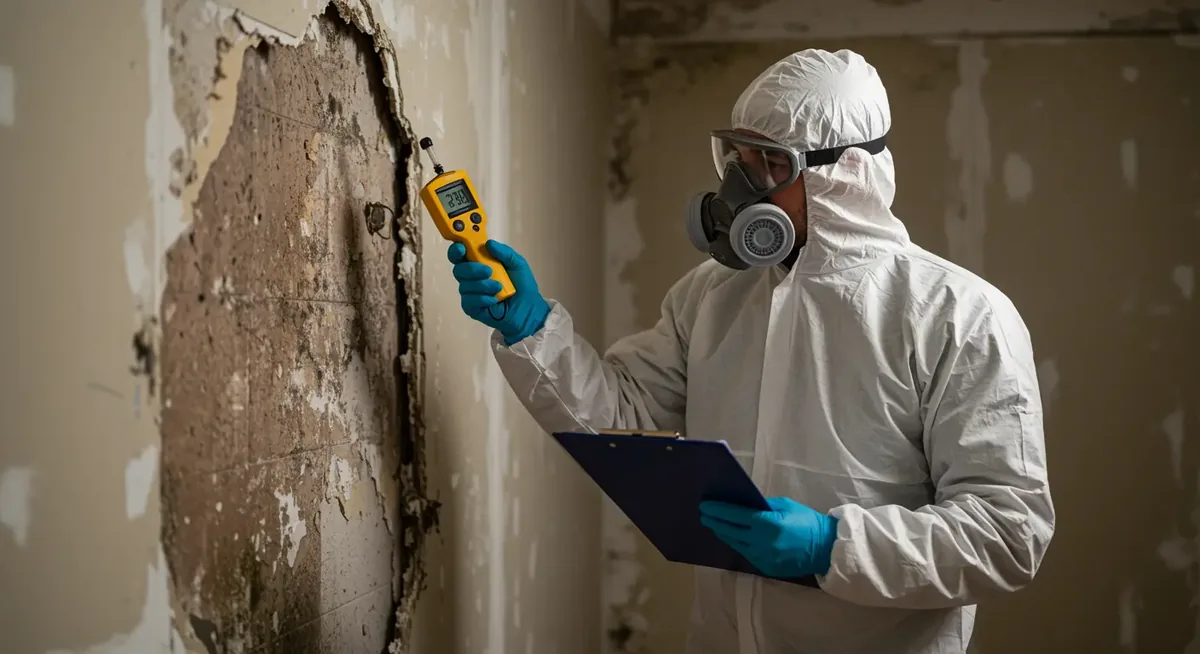
When people say “black mold,” they are usually referring to Stachybotrys chartarum, a species of mold that produces mycotoxins — toxic chemical compounds that can cause health problems in humans and animals. Stachybotrys typically appears as dark greenish-black patches with a slimy or wet texture.
However, it is important to understand that:
- Many common, non-toxic mold species also appear black or very dark in color.
- Stachybotrys sometimes appears dark green or gray rather than black.
- You cannot reliably identify Stachybotrys by appearance alone — laboratory testing is required.
Common Mold Types in Memphis Homes
Our mold testing in Memphis homes regularly identifies several common species:
Cladosporium
Appearance: Olive-green, brown, or black patches | Risk: Allergenic | Common in: Bathrooms, around windows, HVAC systems
Aspergillus
Appearance: Various colors including black, green, yellow | Risk: Allergenic to toxic depending on species | Common in: HVAC systems, attics, water-damaged materials
Penicillium
Appearance: Blue-green, sometimes white | Risk: Allergenic | Common in: Water-damaged drywall, wallpaper, carpet
Alternaria
Appearance: Dark brown to black | Risk: Allergenic, asthma trigger | Common in: Showers, under sinks, window frames
Stachybotrys chartarum (Black Mold)
Appearance: Greenish-black, slimy texture | Risk: Toxic (mycotoxin-producing) | Common in: Chronically wet materials — after flooding, persistent leaks
Health Risks: Black Mold vs. Common Mold
All indoor mold overgrowth can cause health problems, but the severity varies:
Common molds (Cladosporium, Penicillium, Alternaria): Primarily cause allergic reactions — sneezing, coughing, watery eyes, congestion, and skin irritation. People with asthma may experience worsened symptoms. These effects are generally reversible once mold exposure stops.
Stachybotrys (black mold): In addition to allergic reactions, produces trichothecene mycotoxins that can cause more serious health effects with prolonged exposure, including chronic respiratory problems, persistent headaches, memory difficulties, fatigue, and immune system suppression. Young children, elderly individuals, and immunocompromised people are at greatest risk.
Why Memphis Is a Hotspot for Black Mold
Stachybotrys requires specific conditions to grow: sustained moisture (not just humidity), cellulose-rich materials (paper, drywall, wood), and time. Memphis provides all three in abundance:
- Frequent water events from storms, flooding, and plumbing failures
- Older homes with paper-backed drywall and untreated wood framing
- Warm temperatures that accelerate growth year-round
- Delayed discovery due to hidden growth in wall cavities and crawl spaces
What to Do If You Find Mold of Any Color
Regardless of color, indoor mold overgrowth should be professionally assessed and remediated. Here is the recommended approach:
- Do not touch or disturb it. Scrubbing releases spores.
- Do not try to identify it by color. Lab testing is the only reliable method.
- Call a professional. A certified inspector can assess the situation and recommend testing if needed.
- Address the moisture source. All mold — common or toxic — requires moisture. Finding and fixing the water problem is essential.
Concerned About Mold in Your Memphis Home?
Call (901) 902-4178 for a free inspection. We test, identify, and safely remove all types of mold.
Our Mold Services
Black Mold Removal Mold Testing Mold Inspection Mold Remediation